
Introduction
AI design tools for non designers, Graphic Design Skills are not required for everyone, but that doesn’t mean you can’t make something beautiful. From filling in a quick social media post to creating a well-designed small business website or blog, design can be daunting when you’re not equipped to do it. AI design tools for non-designers are here to the rescue. These tools make creating visuals easier and less of a guess. They can help you, show you layouts, select colors and even write copy for you. The result? Designed to look like a pro but without all the year of software learning and the designer.
AI design tools stand apart from conventional software in several ways.
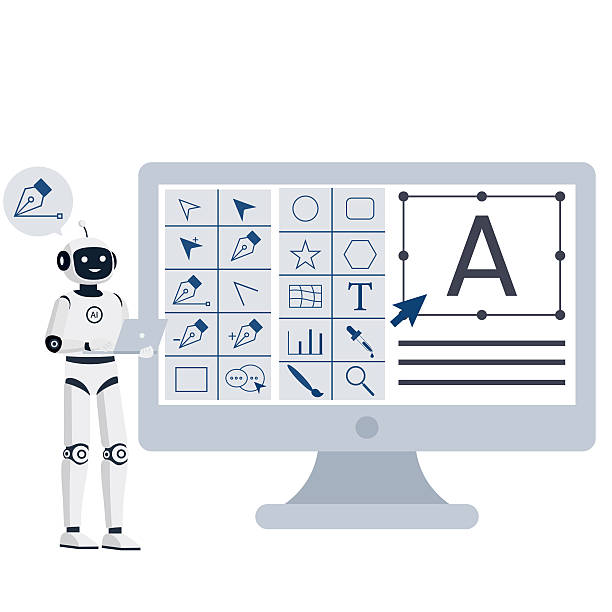
Traditional design software such as Adobe Illustrator and Adobe Photoshop are more powerful, but require a high level of learning. It is very common that most people quit even before they create a logo that has a basic design. AI tools are different. They work for you!
Drag and manipulate shapes instead of manually dragging and adjusting pixels, or use a template instead. The AI can propose concepts for you according to your content and brand colours or perhaps even sector. There are even some that will create complete layouts from a single sentence.
This is a game changer for small business owners, content creators, and students looking for quality eye-catching graphics quickly, without formal design training.
In this overview, non-designers will get a quick introduction to popular AI tools for design
There are numerous tools available at this moment, each with a few variations. A quick comparison to give you an idea of what’s around.
| Feature | Option / Type | Description |
|---|---|---|
| Logo Creation | Looka, Hatchful | Generates custom logos using AI based on your business name and style preferences |
| Social Media Graphics | Canva AI, Adobe Express | Offers smart templates and auto-resize features for different platforms |
| Presentation Design | Beautiful.ai, Tome | Creates slide decks automatically using text prompts and smart layouts |
| Image Generation | DALL·E, MidJourney | Produces original images from written descriptions without stock photos |
| Video Design | Pictory, InVideo AI | Turns scripts or blog posts into short videos with visuals and voiceover |
Tips and ideas to help you get started without getting overwhelmed!
It can be difficult to get used to a new tool. Here are some basic suggestions that will help make it easier.
Use only one tool at a time. Avoid registering for five services at a time. Choose one which fits the most frequent task that you perform — say, instagram posts or a straightforward website banner.
Use templates. Most of the designed platforms of AI have hundreds of pre-designed templates. Do not start over from scratch, begin this way. Colors, font, and pictures can be changed at any time.
State your objective in as clear a way as possible. The more specific you can be when using text-to-image or AI layout, the better. Avoid using ‘a banner’ and use ‘a blue and white banner for a coffee shop sale’.
There are many advantages to using AI-powered design platforms.
These tools are not just theoretical, there’s genuine benefit in their use — particularly when you’re not a designer.
Speed. You can do what normally takes a professional hours in just a few minutes. Templates and auto-suggestions save you working time.
Cost savings. Having to hire a freelancer for each and every little project can cost you a fortune. These tools provide you with creative control, at a lower price point.
Consistency. Some websites allow you to store your logo, fonts and brand colors. All designs you make will look cohesive and professional — automatically.
The tools are often used incorrectly by non-designers, and the following are some of the most frequently made mistakes:
Despite having the top tools, it is still possible to end up with a few errors in your end result.
Excessive use of fonts. Use a maximum of 2, perhaps 3, fonts. Too much is too much; it will make things cluttered and difficult to read.
Ignoring white space. It’s a common mistake to put a lot of information in the same design. Provide space between text and graphics. It clears a trail of mess and makes everything tidy and easy to see.
Skipping mobile preview. What may seem like a pretty design on a desktop can turn into a total mess on a phone. Always preview your work on a smaller screen than you’re expecting to use for publication.
To pump up your AI-generated designs, here are some expert tips:
After you have mastered the fundamentals, there are little things you can do to make a big difference.
Customize templates. Templates are not the final results. Use your own photo and words and pick your own design scheme to suit your brand.
Understand some fundamentals of colour. It doesn’t have to be in-depth, just know that colors evoke emotions. Blue is a safe colour, red is a call to action and green encourages calm. Making a wise choice enhances your message.
Download in the appropriate format. So use PNG for posts on social media, JPG for website images and PDF for print. With the right format, you will save the quality of your image.
FAQs About AI Design Tools
You don’t have to have any design experience in order to use these tools.
No. The majority of AI design platforms is created for beginners. They lead you through every step, with simple choices and intelligent tips.
Can small projects be handled with free plans?
Yes, if you’re creating something simple such as social media graphics or simple banners, free plans, such as those from Canva or Adobe Express, are perfect.
The majority of ChatGPT-generated designs are suitable for commercial use, provided that you refer to the original creator for any copyright restrictions.
Depends on the platform. Before using designs for commercial use or selling products, be sure to review the licenses.
Conclusion
Creative work doesn’t have to be reserved for the professional designer. For non-designers such as entrepreneurs, teachers, bloggers and any side hustlers, the AI design tools have truly made it easier for anyone to produce a polished and professional visual. It’s important to begin simply, to try out one tool at a time, and NOT be afraid to try. With the continuous improvement of these platforms, the difference between ‘designer’ and ‘non-designer’ becomes smaller and smaller by the day. Take a chance and try one, you may be surprised.